
Heinrich Justi najlepší mešťanosta Bratislavy? Bratislavské rožky
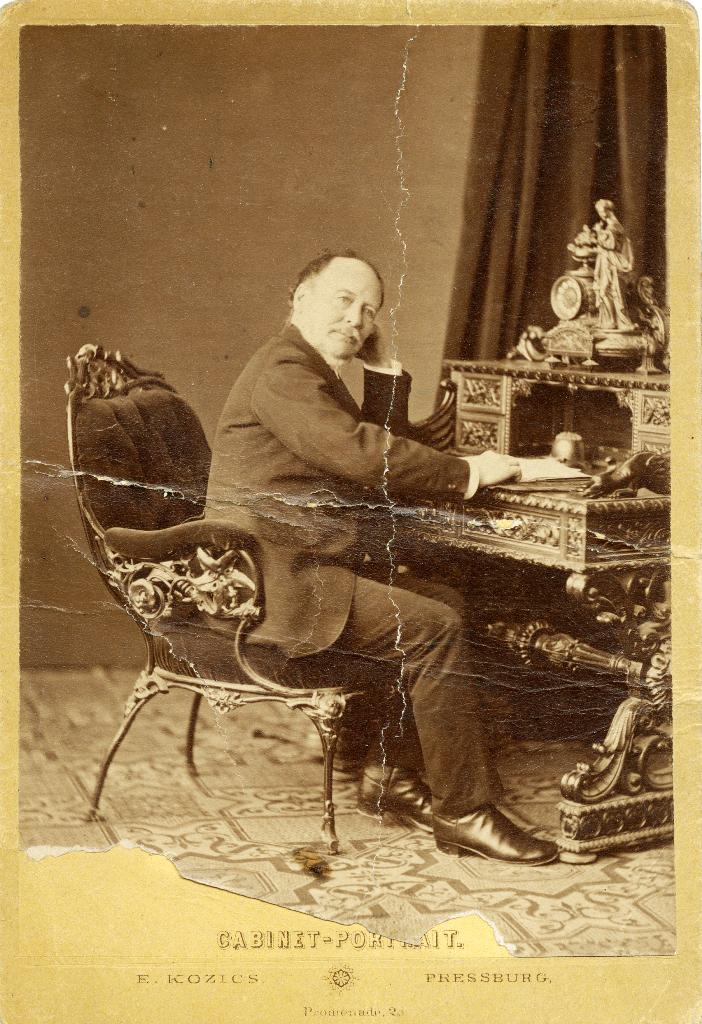
Johann Heinrich Gottlob von Justi belongs to an under-researched and highly relevant school of economics that laid the necessary foundations for the economic growth of Europe. Once the productivity explosions of the first industrial revolution had started snowballing across Europe, the painstaking groundwork of these economists - which had.
Леман, Иоганн Готлоб это... Что такое Леман, Иоганн Готлоб?
.JPG)
A similar spirit of hazardous economic adventure cum economic career characterized the life of economist and social scientist Johann Heinrich Gottlob von Justi (1717- 1771) as well as several of his cameralist contemporaries in Germany and Austria. Justi epitomizes the heyday of the German brand of mercantilist writing, cameralism.
Johann Gottlob Boehme Fotos e Imágenes de stock Alamy
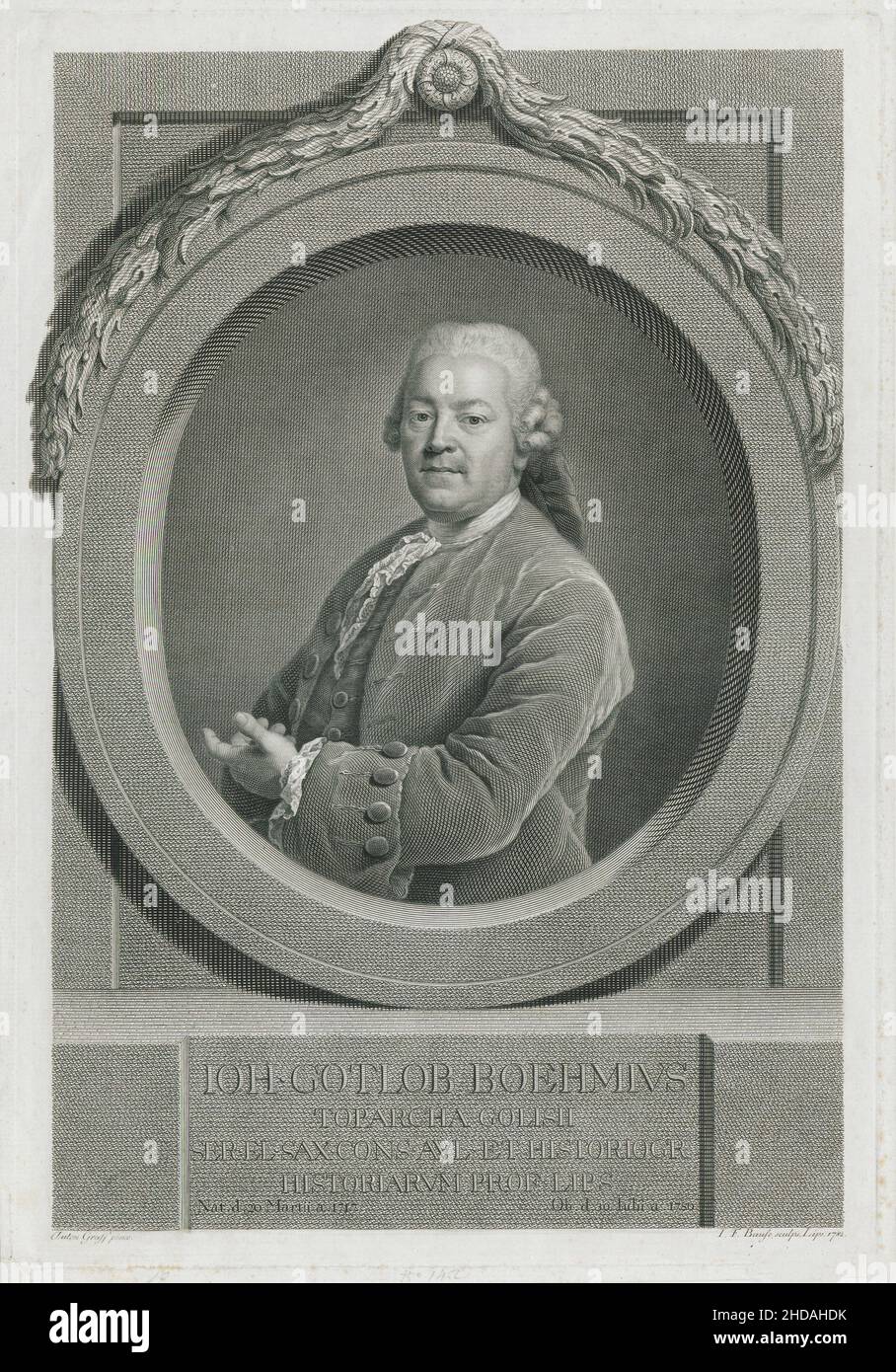
almost mythical qualities, the first disagreements around the life of Johann Heinrich Gottlob von Justi start with his date of birth. On Beckmann's authority the most likely date was considered December 25, 1720, in Brücken an der Helme, Sangerhausen (near Halle) in Thüringen. Other candidates are 1705 and 1717. Roscher (1868:78) assumes.
Johann Gottlob Immanuel Breitkopf Alchetron, the free social encyclopedia
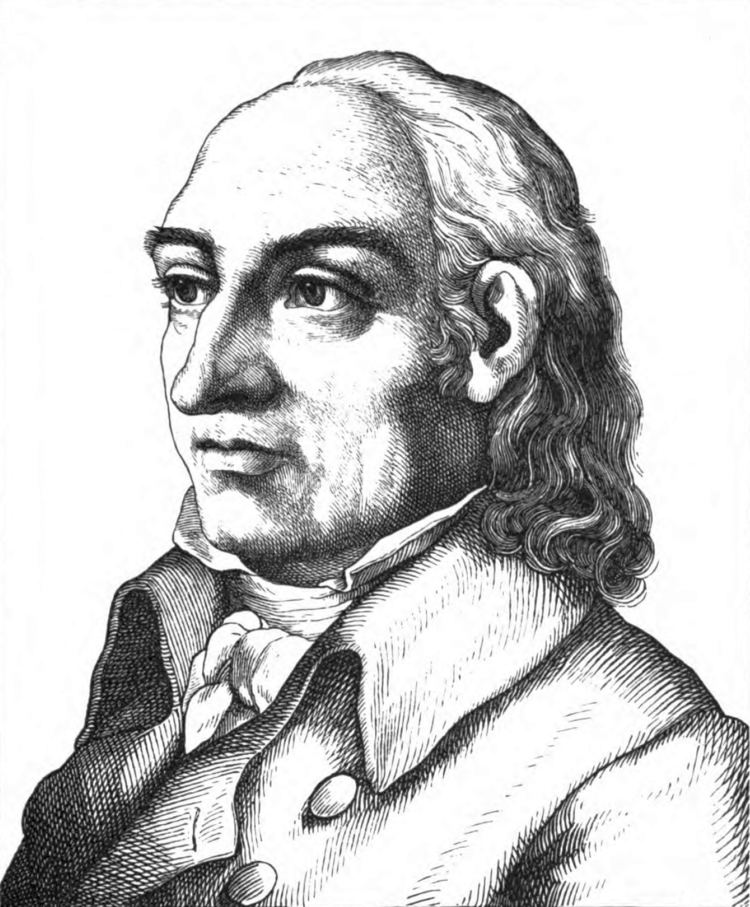
Ju¨ rgen G. Backhaus 1 Johann Heinrich Gottlob (von) Justi was born in 1702 in Bru¨ cken in Prussia (county of Sangerhausen), studied law and cameral sciences in Wittenberg and Jena, yet had to leave the university, entered the Prussian military service, was captured during the Austrian war of succession by the Austrians but escaped to Leipzig (Saxony) where he studied mineral sciences.
Deutsches Textarchiv Justi, Johann Heinrich Gottlob von Vollständige Abhandlung von denen

Johann Heinrich Gottlob von Justi (28 December 1717 - 21 July 1771) was one of the leading German political economists in the 18th century. Life [ edit ] Justi was born in Brücken .
Alsted, Johann Heinrich Stock Photo Alamy

"Johann Heinrich Gottlob Justi" published on by null. (1717-1771), German political philosopher. Few figures have remained so controversial as Johann H. G. von Justi.
Karl Gottlob von Anton Stock Photo Alamy
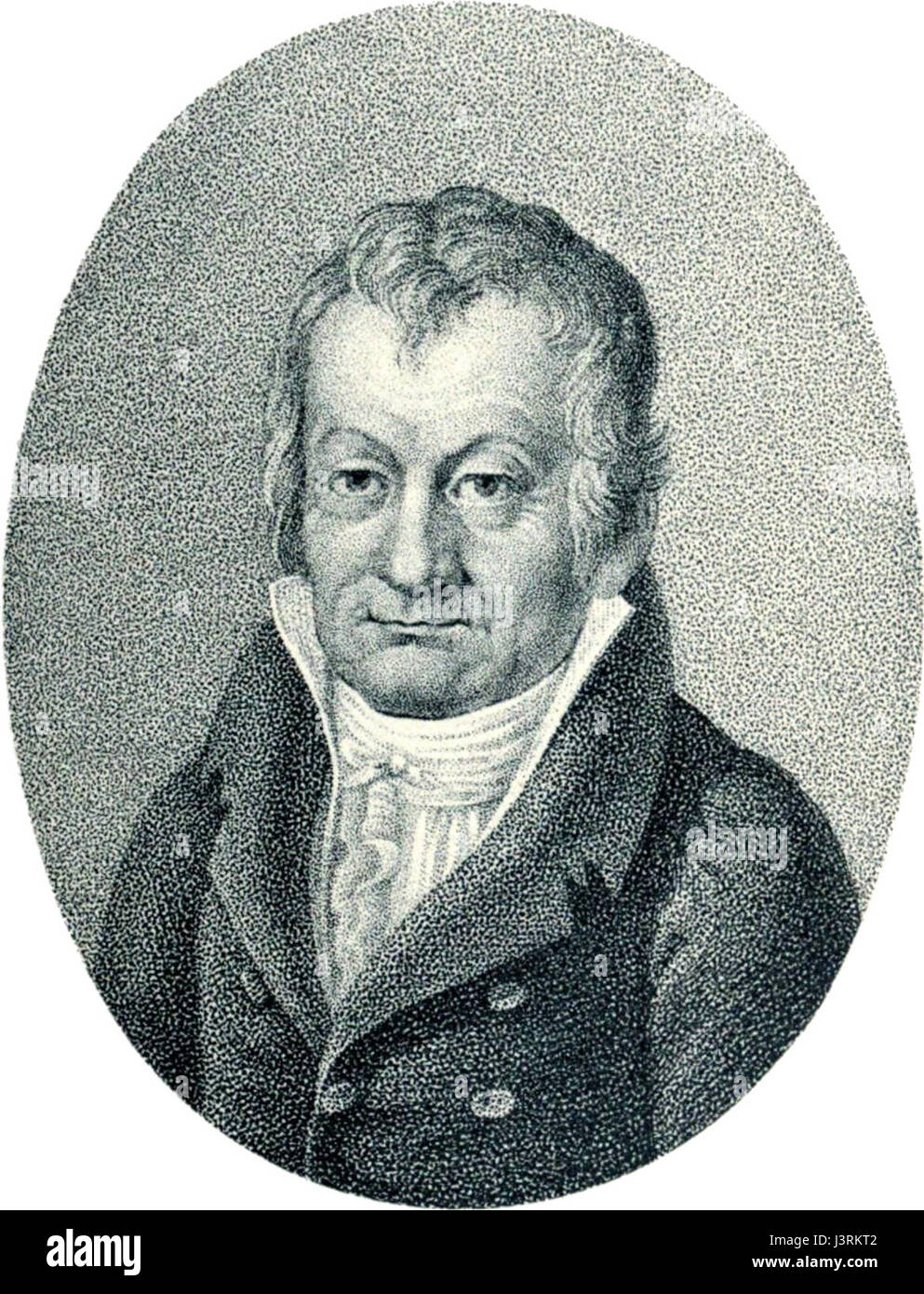
The Political Economy of J.H.G. Justi. This study provides a first comprehensive introduction to the political and economic thought of Johann Heinrich Gottlob von Justi (1717-1771). While previous scholarship saw Justi as quintessentially a German thinker, this analysis argues that his thought was a by-product of the broader European.
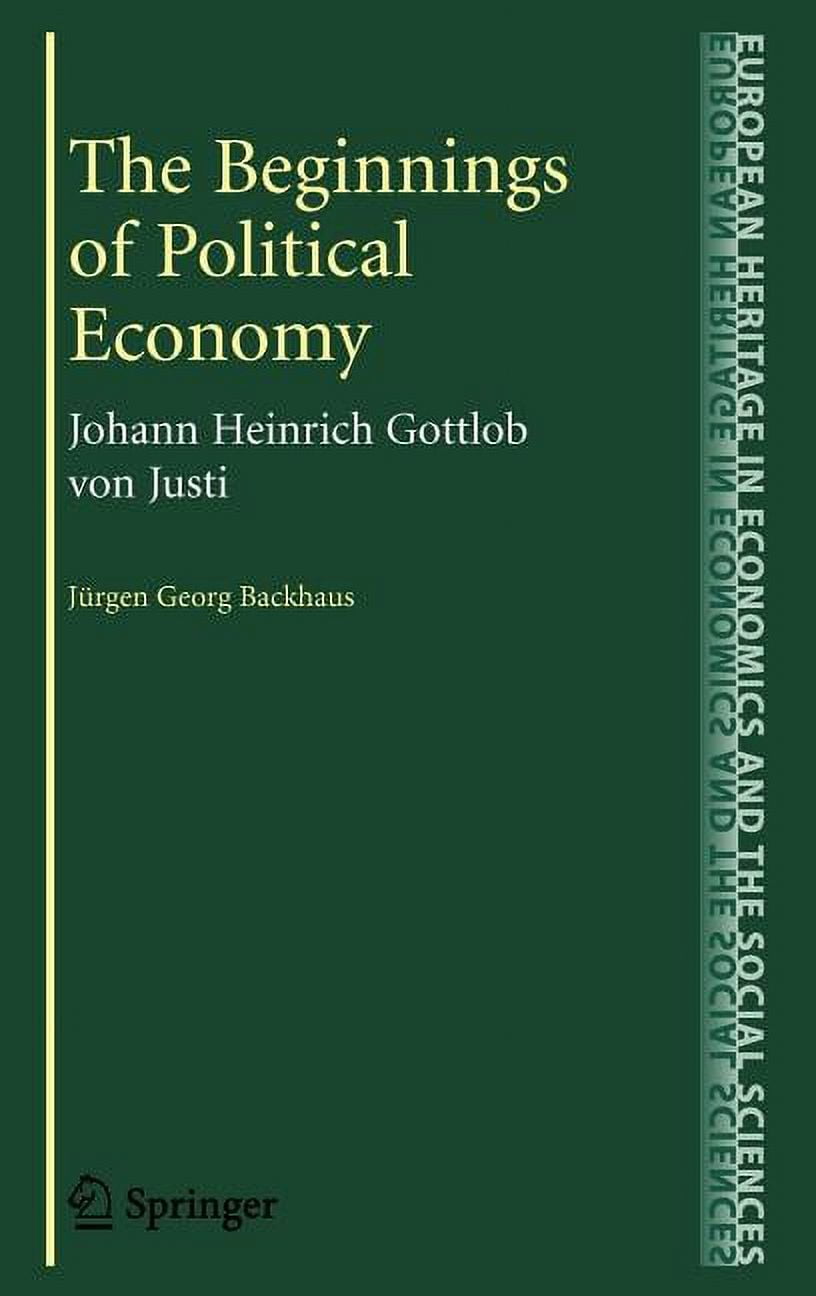
European Heritage in Economics and the Social Sciences The Beginnings of Political Economy
This article analyses Johann Heinrich Gottlob von Justi's (1717-1771) early essay on Universal Monarchy (1747) in the context of the broader eighteenth-century discussion of political order and commerce. During the eighteenth century, theorists often envisaged a universal society of all nations, or a universal monarchy under the rule of a.
Johann Heinrich Pestalozzi Stock Photo Alamy

Johann Heinrich Gottlob von Justi, 1717-1771. One of the giants of German Neo-Cameralism the details of the peripatic Justi's life are obscure. After early schooling at Quedlinburg, Justi enlisted in the army and served in the War of Austrian Succession. There he became the private secretary of a certain Lt. Col von Gersdorff, who instilled in.
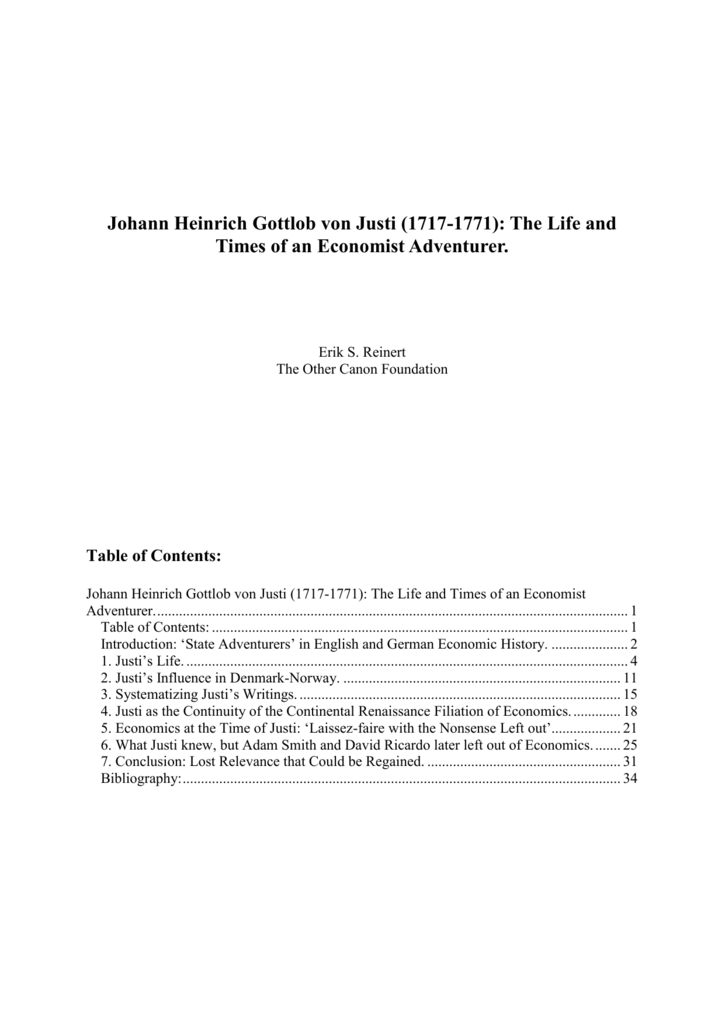
Johann Heinrich Gottlob von Justi The Life and
of commerce over war, Johann Heinrich Gottlob Justi, the great system-atizer of German cameralism, argued around 1760 that states owed their strength to effective management of domestic resources, commerce, and 2 V[incenz] John, Geschichte der Statistik (Stuttgart: Ferdinand Enke, 1884), 9; also in "The term 'Statistics.'
Justus von Liebig (May 12, 1803 — April 18, 1873), German chemist, scientist World

Abstract. Born the son of a tax inspector in Thuringia in December 1720, Justi is best known as one of the architects of mid-18th-century Cameralism. He studied law at Wittenberg 1742-4, and after this embarked upon a career of literary activity and state service. During the early 1850s he taught 'commerce and public economics' in Vienna.
Friedrich Gottlob von Stülpnagel Familie von Stülpnagel

Justi and his contemporary economist adventurers Georg Heinrich Zincke (1692-1769, from. Saxony) and Johann Friedrich Pfeiffer (1718-1787, from Berlin) all suffered similar tragic. fates towards.
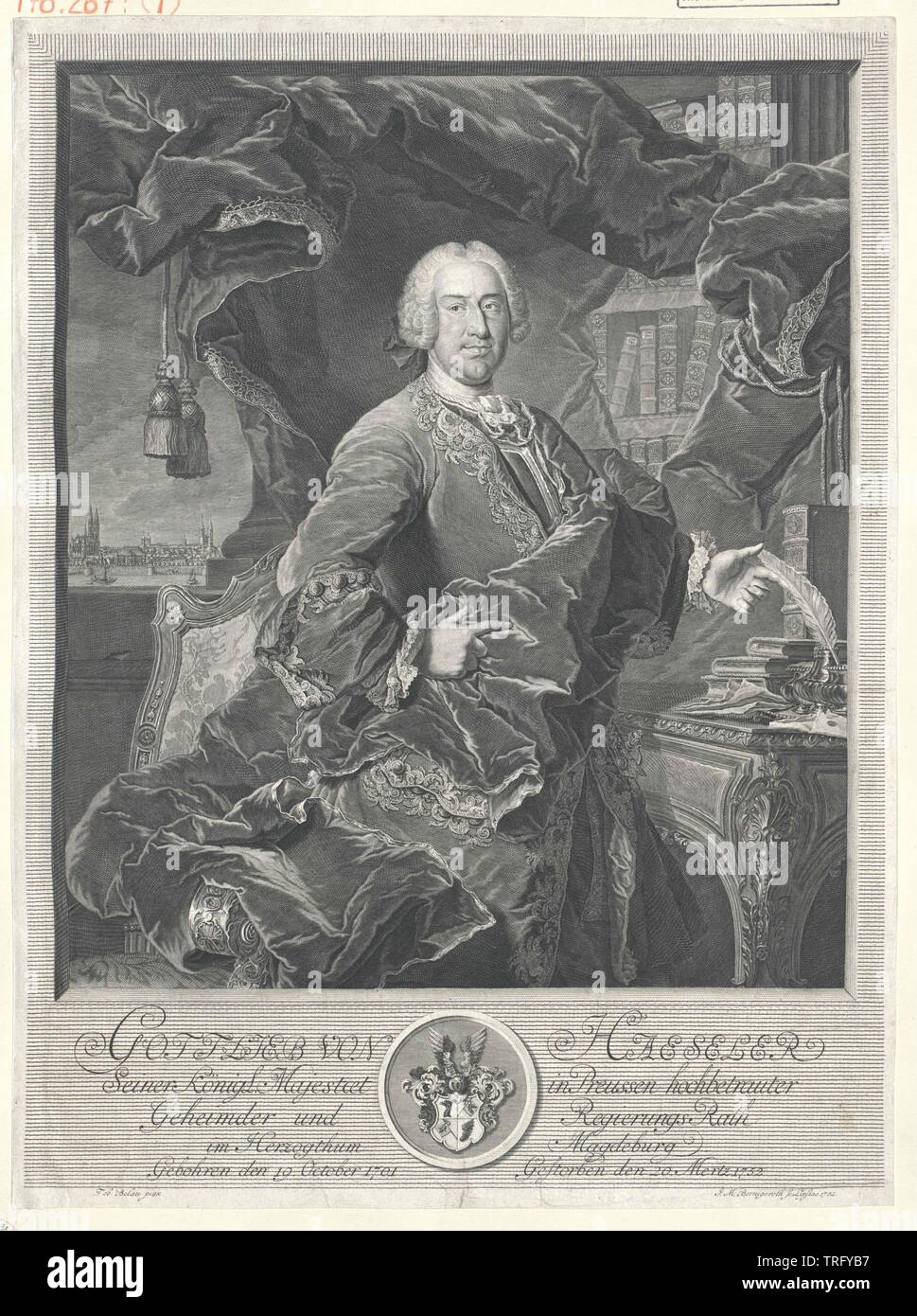
Gottlieb Von Haeseler Stockfotos und bilder Kaufen Alamy
In the chapter "Johann Heinrich Gottlob von Justi - the Life and Times of an Economist Adventurer" in this volume we attempt to classify Justi's writings by subject, modifying a taxonomy used by Wilhelm Roscher for the same purpose in his 1868 article. A bibliography of secondary sources on Justi is found in Rieter et al. (1993: 155.
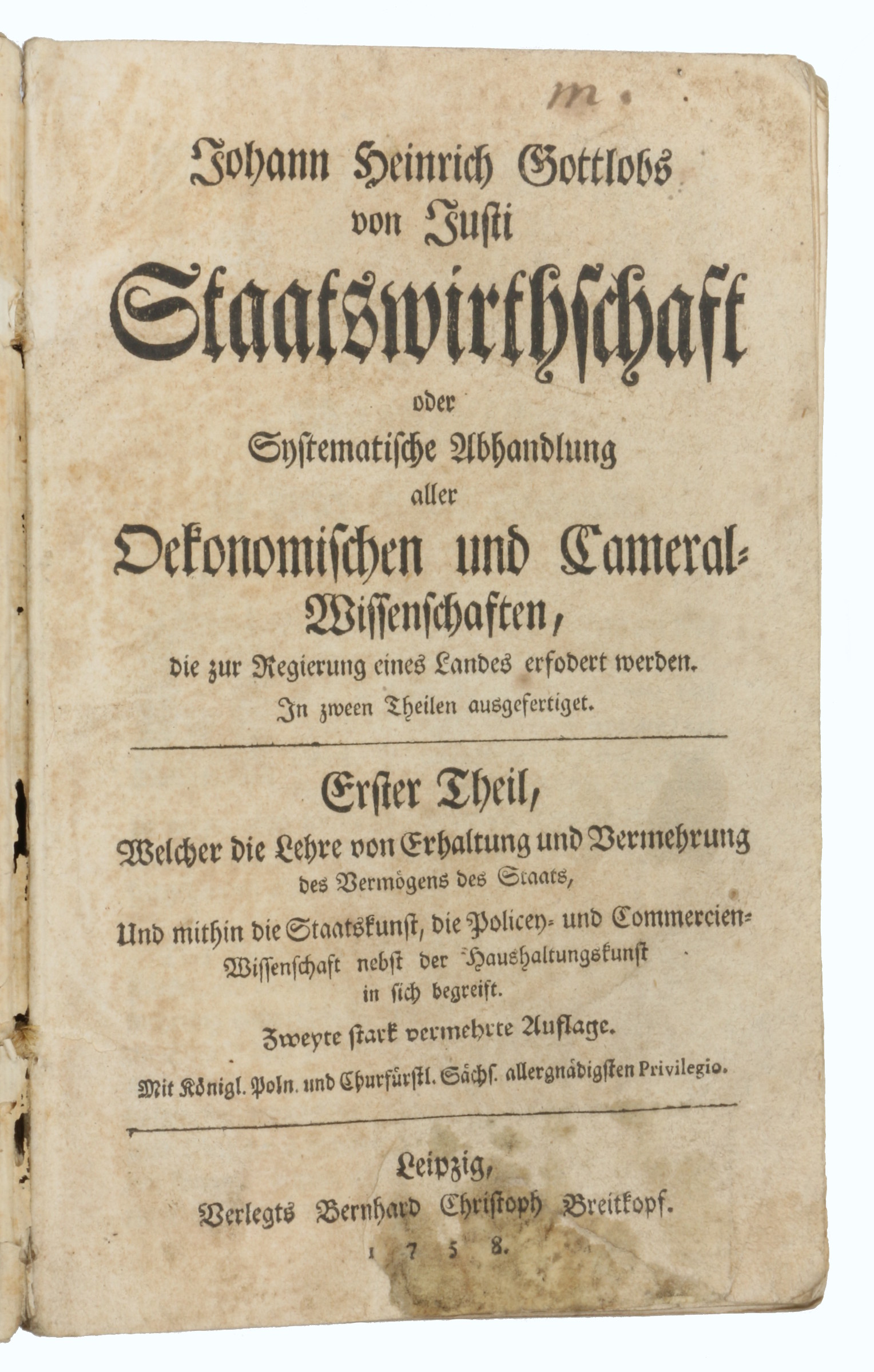
Justi, Johann Heinrich Gottlob von. Staatswirthschaft oder systematische Abhandlung aller
B31. Born in modest circumstances in a Thuringian village in late December 1717, Justi is best known today as one of the architects of mid-18th-century cameralism. He studied law at Wittenberg in 1742-4, then embarked upon a career of literary activity and state service. In 1750 he was appointed tutor to the son of Haugwitz, reforming.
Gottlob Heinrich von Tottleben

This article uncovers the theory of industrialization of the eighteenth-century German Cameralist Johann Heinrich Gottlob von Justi, who was the most important figure in German Cameralism. This topic is highly underexamined. This article finds that Justi proposed four reasons for industrialization in order to promote economic development: (1) manufacturing had a highly differentiated division.
Christoph heinrich Banque de photographies et d’images à haute résolution Alamy
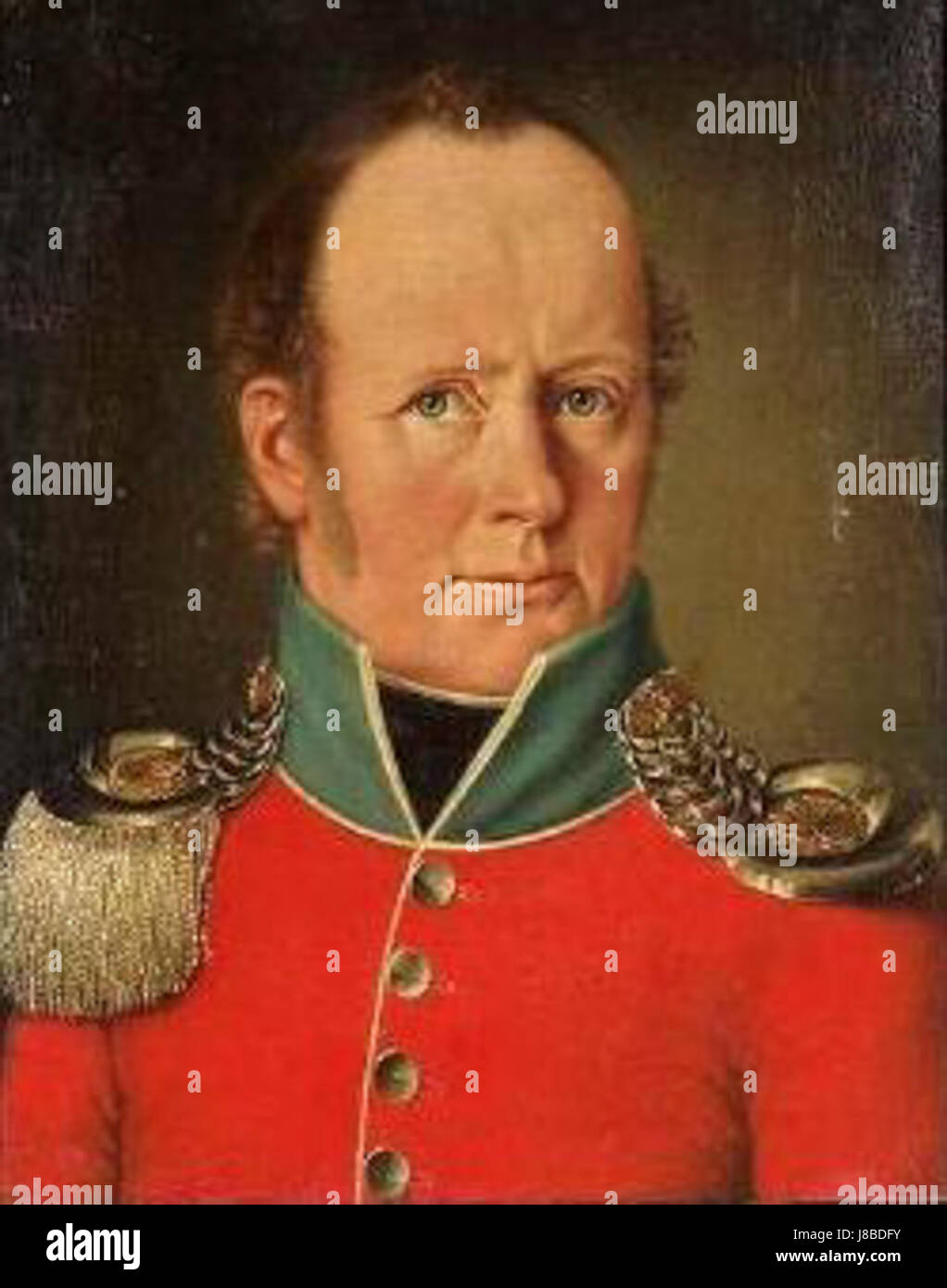
Justi, Johann Heinrich Gottlob von. ( b. Brücken, Thuringia, Germany, 25 December 1720; d. Küstrin, Germany, 21 July 1771) political economy, mining. The son of a tax assessor, Justi spent his earliest years, concerning which we have only dubious information, in modest circumstances. His career can be followed with some certainty from the.